3D Printing for Spares
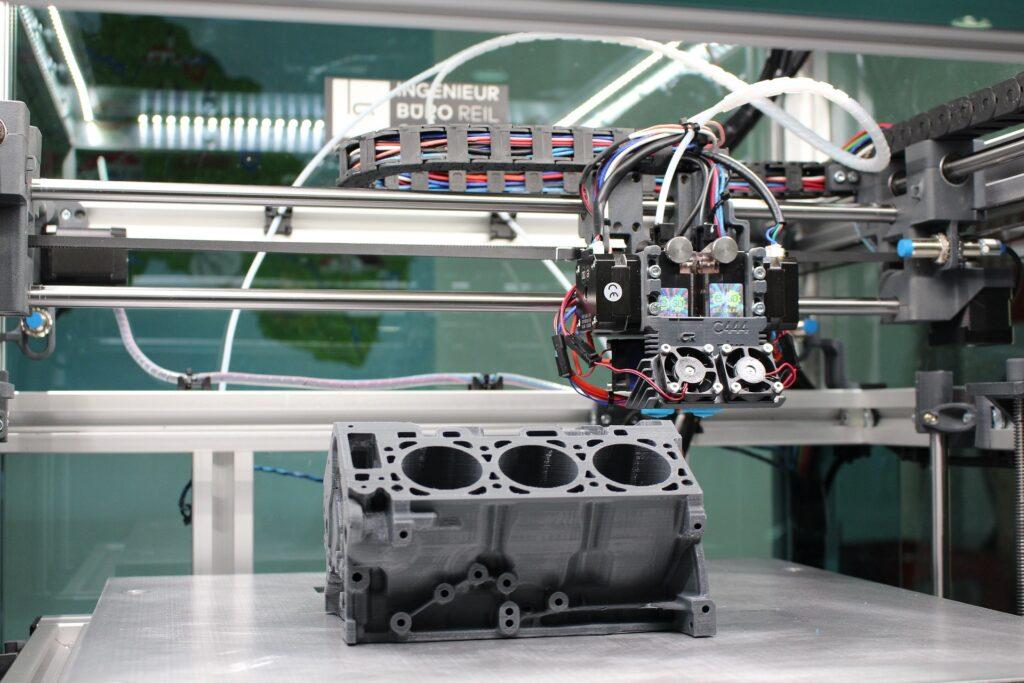
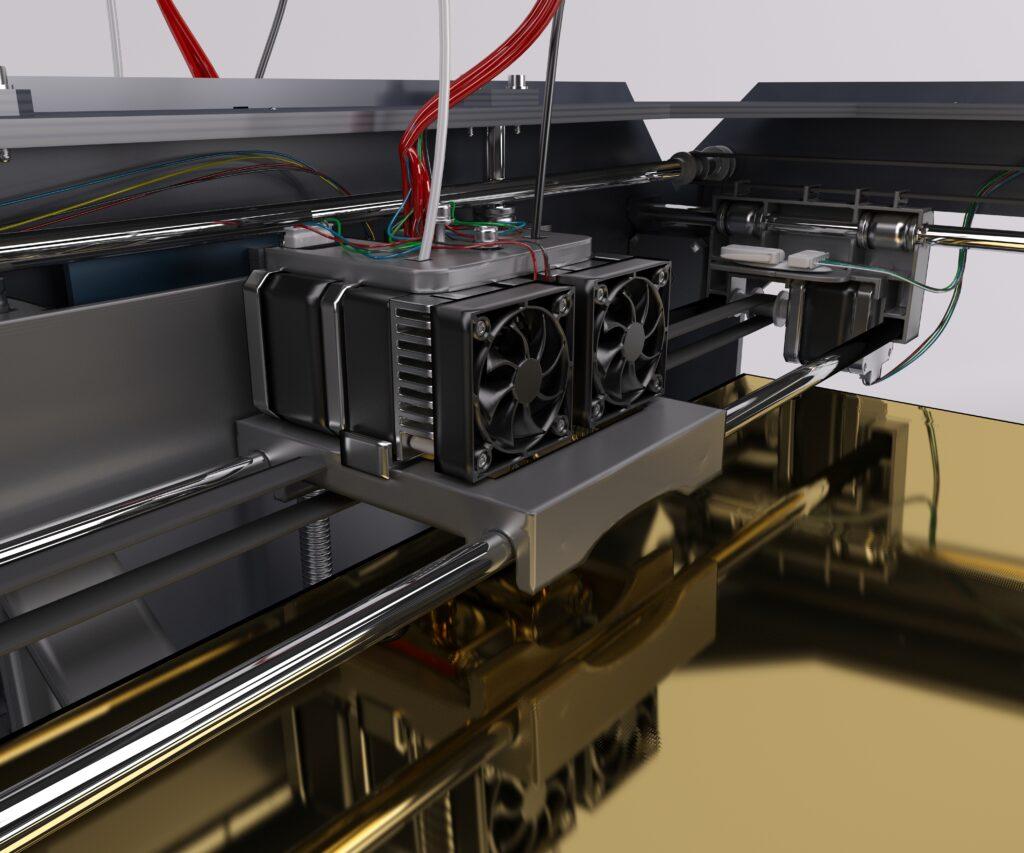
3D printing has been gaining popularity in the oil and gas industry in recent years. It can be used to create a variety of tools, parts, and components, such as:
- Wellbore tools and sensors
- Drill bits and nozzles
- Valves and fittings
- Pump components
- Prototypes of new equipment
- Replacement parts for aging equipment
One of the main advantages of 3D printing is that it enables custom designs and rapid prototyping. This means that companies can quickly test and refine new ideas without having to go through the traditional manufacturing process, which can save time and money.
Additionally, 3D printing can improve safety by reducing the need for manual labor in certain tasks. For example, instead of having workers climb to a high location to attach a part, a 3D-printed drone can be used to perform the task remotely.
Despite these benefits, there are still some challenges to more widespread adoption of 3D printing in the oil and gas industry. One of the main hurdles is the need for specialized materials that can withstand the harsh environments and extreme temperatures common in the industry. As such, much of the current research in this area is focused on developing new materials that can meet these requirements.